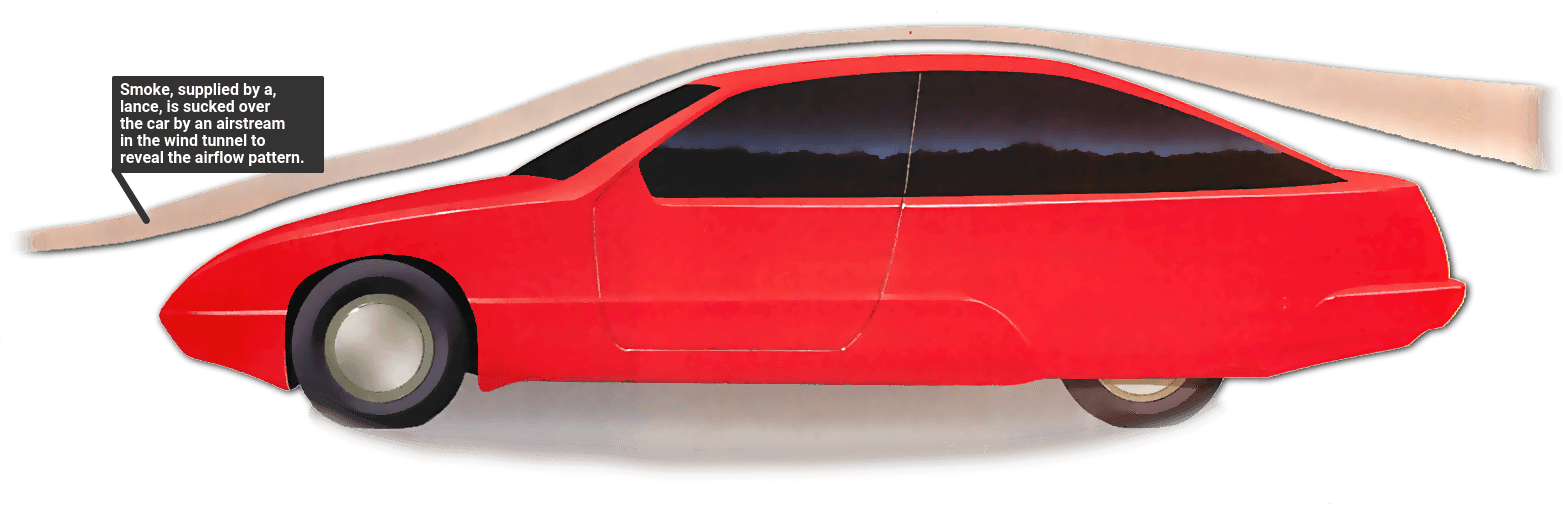
Want to squeeze more miles out of every tank of gas and do your part for a cleaner planet? It's easier than you think. Small changes to your driving habits and even some simple car modifications can dramatically reduce aerodynamic drag, leading to significant fuel savings.
Reducing drag on your vehicle is a win-win. Not only will you visit the gas station less often, saving you money, but you'll also lower your vehicle's emissions, contributing to a healthier environment. It's about driving smarter, not harder.
A super simple first step? Check your tire pressure regularly. Underinflated tires increase rolling resistance, which fights against your car’s momentum and requires more energy (fuel!) to overcome. Keeping your tires properly inflated to the manufacturer’s recommended pressure (found on a sticker inside your driver’s side doorjamb) is an easy way to improve your fuel economy right now.
Simple Mods for a Slippery Ride
Aerodynamic drag is the force that opposes your car's motion as it moves through the air. The faster you go, the greater the drag becomes. Think of it like running through water – it’s much easier to wade than sprint! Fortunately, there are some surprisingly simple modifications you can make to your car to help it slip through the air more efficiently, saving you fuel in the process. These mods don’t require you to be a mechanic, either.
Remove Unnecessary Roof Racks and Cargo Carriers
Roof racks and cargo carriers are incredibly useful for hauling extra gear, but they create a significant amount of drag. When not in use, remove them. Even an empty roof rack can add a noticeable amount of drag, impacting your fuel economy, especially at highway speeds. It's a quick and easy way to improve your car's aerodynamics and save gas. Removing these items improves airflow and reduces the amount of energy your engine needs to expend to overcome air resistance.
Install Aerodynamic Wheel Covers
Wheel covers (or hubcaps) aren't just for aesthetics. Aerodynamic wheel covers are designed to reduce turbulence around the wheels, a major source of drag. Look for wheel covers specifically designed for fuel efficiency. These covers smooth out the airflow around your wheels, allowing your car to move through the air more easily. You can find these online or at many auto parts stores. This is an inexpensive way to subtly improve your car's fuel efficiency.
Consider a Grill Block (With Caution!)
A grill block partially covers your car's front grill, reducing the amount of air that enters the engine compartment. This can decrease drag by streamlining the front of your car.However, proceed with caution!Blocking too much of the grill can restrict airflow to the engine, leading to overheating. Only block a portion of the grill, and monitor your engine temperature closely, especially during warm weather. A properly implemented grill block can be a surprisingly effective way to improve aerodynamics, but safety and engine health must be your top priorities. Start with blocking only a small portion of the grill and gradually increase it if your engine temperature remains within the normal range. Be especially mindful of engine temperature during towing or driving uphill.
Add a Lip Spoiler or Air Dam
A front lip spoiler or air dam is an extension added to the bottom of your front bumper. It helps to redirect airflow around the front of your car, reducing the amount of air flowing underneath. This can decrease lift and improve stability, especially at higher speeds, while also contributing to better fuel economy. They are relatively easy to install and can provide a noticeable improvement in aerodynamics. Make sure to choose a spoiler or air dam that is compatible with your car's make and model.
Eco-Driving Habits for Maximum MPG
Modifying your car is only part of the equation. Adopting eco-friendly driving habits can significantly boost your fuel economy and reduce your environmental impact. These habits are free and can be implemented immediately.
Maintain a Steady Speed
Avoid sudden acceleration and braking. These actions waste fuel and increase wear and tear on your vehicle. Instead, maintain a steady speed and anticipate traffic flow. Using cruise control on highways can help you maintain a consistent speed and improve fuel efficiency. Smooth, gradual acceleration and deceleration are key to conserving fuel.
Anticipate Traffic and Coast When Possible
Look ahead and anticipate traffic lights and slowdowns. Instead of slamming on the brakes, take your foot off the accelerator and coast to a stop. This not only saves fuel but also reduces wear on your brakes. The further ahead you can see, the more effectively you can coast, minimizing the need for braking and maximizing fuel efficiency.
Avoid Idling
Idling wastes fuel and produces unnecessary emissions. If you're going to be stopped for more than a minute, turn off your engine. Modern cars are designed to be restarted easily and efficiently, so there's no need to let your engine run while you're waiting. It also significantly reduces your carbon footprint and contributes to cleaner air.
Properly Maintain Your Vehicle
Regular maintenance is crucial for optimal fuel economy. Keep your engine tuned, change your oil regularly, and replace air filters as needed. A well-maintained car runs more efficiently and produces fewer emissions. Don't neglect scheduled maintenance as outlined in your owner's manual. A small investment in maintenance can result in significant fuel savings over time.
Keep Windows Closed at Higher Speeds
While it's tempting to roll down the windows on a nice day, doing so at highway speeds significantly increases drag. The open windows disrupt the airflow around the car, forcing the engine to work harder and burn more fuel. Use your car's air conditioning instead, which is more fuel-efficient at higher speeds than driving with the windows down.
How much gas can eco-driving really save?
The amount of gas you can save through eco-driving practices varies depending on your driving habits, vehicle type, and road conditions. However, studies have shown that adopting eco-driving techniques can improve fuel economy by 15% to 30%. This can translate to significant savings over the course of a year.
What's the ideal speed for maximum MPG?
Most vehicles achieve their best fuel economy at speeds between 45 and 55 mph. As speed increases, aerodynamic drag becomes a much more significant factor, reducing fuel efficiency. Driving at higher speeds requires more energy to overcome air resistance, resulting in increased fuel consumption.
Additional Considerations
Beyond simple modifications and driving habits, other factors can influence your car's fuel economy.
Tire Choice
Low rolling resistance tires are designed to reduce the amount of energy required to roll, improving fuel efficiency. These tires are specifically engineered to minimize friction with the road surface, allowing your car to glide more easily. While they may cost slightly more upfront, they can pay for themselves in fuel savings over time.
Weight Reduction
The heavier your car, the more fuel it takes to move it. Remove unnecessary items from your trunk and interior. Every pound counts! It's surprising how much weight can accumulate in your car over time. Clearing out unnecessary items can make a noticeable difference in fuel economy.
Reducing drag and improving fuel economy isn't about making drastic changes. It's about adopting a collection of small, sustainable practices that add up to significant savings and a reduced environmental impact. Each time you choose to drive mindfully, you’re not only saving money but also contributing to a healthier planet for everyone. Keep learning, keep practicing, and enjoy the benefits of eco-friendly driving.
Posting Komentar untuk "Reducing Drag with Simple Car Modifications"