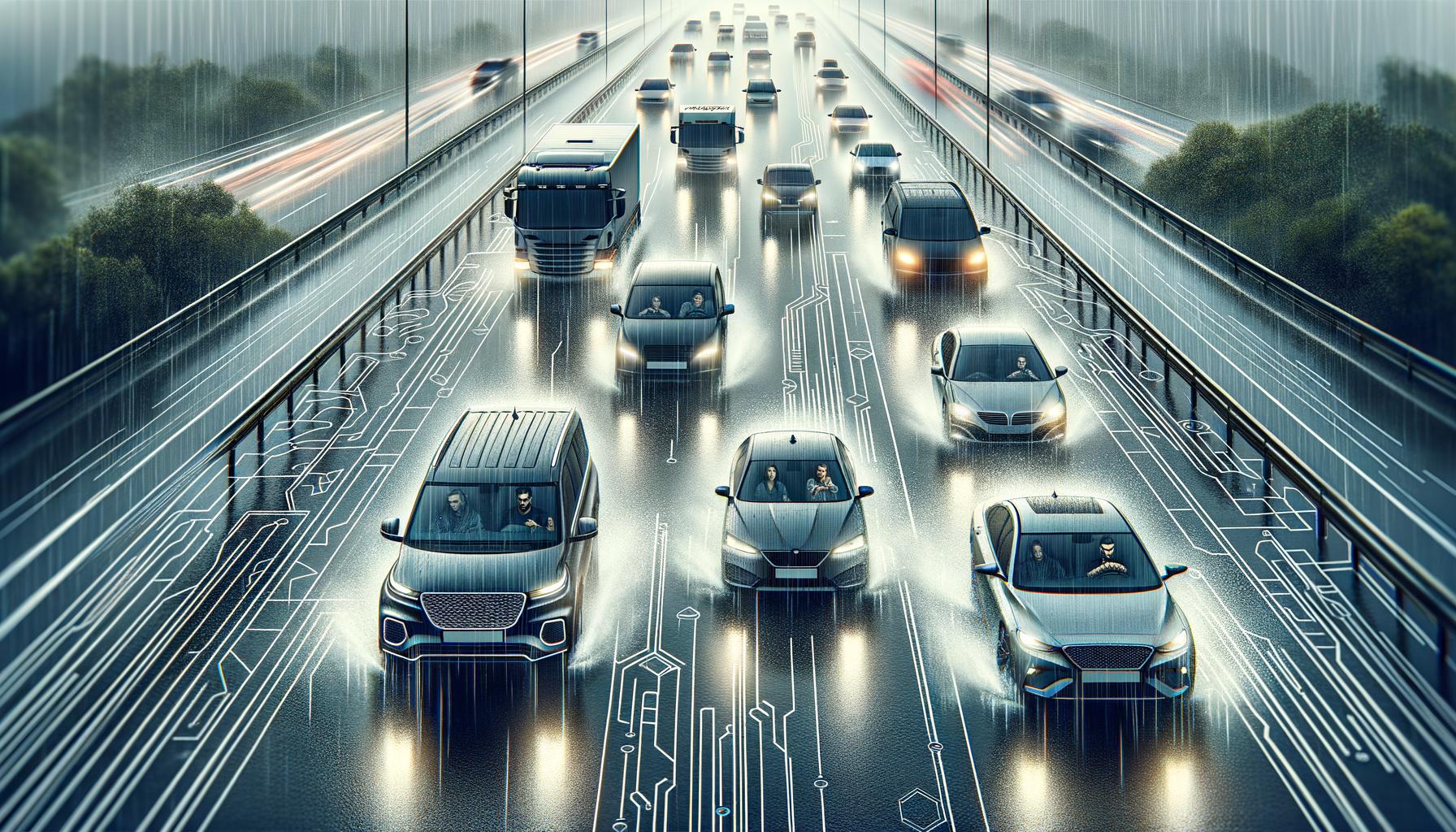
Every drop of fuel saved is a victory for your wallet and the planet. Rainy days present unique challenges to fuel efficiency, but with a few smart adjustments to your driving habits, you can maintain good gas mileage even when the weather turns foul.
Driving economically isn't just about saving money at the pump; it's about embracing a more sustainable lifestyle. By adopting fuel-efficient driving techniques, especially in challenging conditions like rain, you actively reduce your vehicle's carbon footprint, contributing to cleaner air and a healthier environment for everyone. Plus, smoother, more controlled driving is generally safer, creating a win-win scenario.
One incredibly effective habit to implement immediately is reducing your speed. Even a slight decrease in speed can dramatically improve your MPG, especially on wet roads where increased rolling resistance and potential for hydroplaning become factors.
Adjusting Speed and Following Distance in the Rain
Rainy weather significantly impacts road conditions, increasing rolling resistance (the force resisting your tires' motion) and creating a higher risk of accidents. These factors necessitate adjustments to your driving style to maintain fuel efficiency and safety. Speed is a major culprit when it comes to fuel consumption. The faster you go, the more energy is required to overcome air resistance and keep your vehicle moving. This effect is amplified in the rain.
A good rule of thumb is to reduce your speed by at least 10-15 mph compared to dry conditions. This not only improves your MPG but also gives you more time to react to unexpected hazards. Maintain a greater following distance – at least double what you would typically leave in dry weather. This provides ample stopping distance if the vehicle in front of you brakes suddenly. Remember, wet roads dramatically increase braking distances.
How much does rain really affect gas mileage?
The impact of rain on gas mileage varies depending on several factors, including the intensity of the rain, your vehicle's aerodynamics, tire pressure, and your driving speed. However, it's generally accepted that driving in the rain can reduce your fuel economy by 5% to 15%. This is due to increased rolling resistance from the wet road surface, the need to use windshield wipers and headlights (which draw power from the engine), and the tendency to drive more cautiously, which can involve more frequent braking and acceleration.
Tire Maintenance: Your First Line of Defense
Your tires are the only part of your car in contact with the road, making their condition crucial for both safety and fuel efficiency, especially in wet weather. Regularly check your tire pressure. Underinflated tires increase rolling resistance, forcing your engine to work harder and consume more fuel. Consult your vehicle's owner's manual or the sticker on your driver's side doorjamb for the recommended tire pressure.
Also, inspect your tires for adequate tread depth. Worn tires have significantly reduced grip, making it harder to maintain control in the rain and increasing the risk of hydroplaning. A simple test is the "penny test": insert a penny upside down into a tire tread groove. If you can see all of Lincoln's head, your tires are worn and need to be replaced.
Don't forget to rotate your tires regularly. This ensures even wear, extending their lifespan and maintaining optimal performance. Properly maintained tires not only improve fuel efficiency but also enhance safety, especially during wet driving conditions.
Does tire pressure really impact fuel efficiency?
Absolutely! Underinflated tires create more contact with the road, increasing rolling resistance. This extra friction forces your engine to work harder, burning more fuel. Maintaining the correct tire pressure, as specified in your vehicle's manual, can improve your gas mileage by up to 3%. It's a small effort that yields significant savings over time, plus it extends the life of your tires.
Minimize Braking and Acceleration
Aggressive driving habits, such as rapid acceleration and hard braking, are notorious fuel-guzzlers. In rainy conditions, these habits are even more detrimental. Smooth, gradual acceleration and deceleration are key to maintaining fuel efficiency and avoiding skids on slippery surfaces.
Anticipate traffic flow and road conditions. Look ahead and try to maintain a consistent speed, avoiding unnecessary braking. If you see a red light ahead, ease off the accelerator well in advance and allow your vehicle to coast. This not only saves fuel but also reduces wear and tear on your brakes. When accelerating, do so gently and avoid flooring the gas pedal. The slower and more controlled you accelerate, the less fuel you'll consume.
What's the ideal speed for maximum MPG?
The ideal speed for maximum MPG generally falls between 45 and 55 mph. Above this range, aerodynamic drag increases exponentially, requiring significantly more power (and fuel) to maintain speed. Factors like vehicle type, road conditions, and wind can influence this optimal speed. But as a general guideline, keeping your speed within this range will help you maximize your fuel economy.
Use Accessories Wisely
While essential for safety, features like headlights, windshield wipers, and defrosters draw power from your engine, which in turn increases fuel consumption. Use them judiciously. Turn on your headlights when visibility is reduced, but avoid using high beams unless absolutely necessary. High beams can reflect off the rain and impair your vision and that of other drivers.
Use your windshield wipers at the lowest effective speed. Avoid running them continuously on a dry or lightly misted windshield. Similarly, use your defroster only when needed to clear fog or ice from your windows. Excessive use of these accessories can put a strain on your engine and reduce your fuel economy.
Plan Your Route Strategically
Before you even start your engine, take a moment to plan your route. Use navigation apps to identify the most efficient route, avoiding areas prone to heavy traffic or flooding. A longer route with consistent speed and fewer stops can often be more fuel-efficient than a shorter route with frequent stop-and-go traffic.
Consider the time of day you're traveling. Avoid peak hours when traffic congestion is at its worst. If possible, adjust your schedule to travel during off-peak hours when traffic is lighter and you can maintain a more consistent speed. Remember, idling in traffic burns fuel without covering any distance.
Regular Vehicle Maintenance
A well-maintained vehicle is a fuel-efficient vehicle. Regular maintenance, such as oil changes, air filter replacements, and spark plug replacements, ensures that your engine is running at its peak performance. A dirty air filter restricts airflow to the engine, forcing it to work harder and consume more fuel. Old or worn spark plugs can misfire, leading to incomplete combustion and reduced fuel efficiency.
Keep your vehicle properly tuned. A properly tuned engine burns fuel more efficiently and produces fewer emissions. Consult your vehicle's owner's manual for recommended maintenance intervals and follow them diligently. Addressing minor issues promptly can prevent them from escalating into major problems that can negatively impact your fuel economy.
How much gas can eco-driving really save?
The amount of gas you can save with eco-driving habits varies, but studies show that consistent practice can improve your fuel economy by 15% to 30%. This translates to significant savings at the pump over time, as well as a reduction in your vehicle's carbon footprint. The key is to integrate these fuel-efficient driving techniques into your everyday routine and maintain them consistently.
Embracing these fuel-saving driving techniques in rainy weather isn't just about conserving gas; it's about adopting a smarter, safer, and more sustainable approach to driving. Every small adjustment you make contributes to a more fuel-efficient and environmentally responsible driving experience. Commit to practicing these habits consistently, and you'll not only save money but also play a part in creating a greener future. Keep learning, keep practicing, and enjoy the rewards of eco-friendly driving!
Posting Komentar untuk "Fuel-Saving Driving Techniques in Rainy Weather"