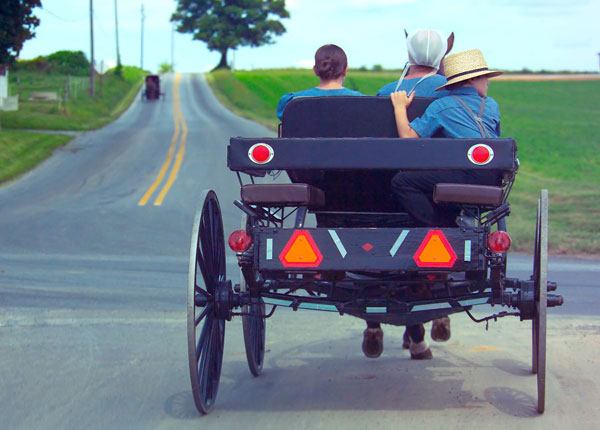
Imagine getting more miles out of every tank of gas, all while enjoying the scenic beauty of rural roads. That’s the power of eco-driving! It’s not just about saving money; it’s about driving smarter and leaving a lighter footprint on our planet.
Eco-driving on rural roads is a fantastic way to boost your fuel efficiency, trim your expenses at the pump, and contribute to a healthier environment. By adopting a few simple techniques, you can significantly reduce your vehicle’s emissions and conserve valuable resources. It's a win-win!
Start by checking your tire pressure regularly. Properly inflated tires reduce rolling resistance, which means your engine doesn't have to work as hard, saving you fuel with every rotation.
Understanding Eco-Driving for Rural Settings
Eco-driving isn’t just a trend; it's a conscious effort to minimize fuel consumption and environmental impact while maximizing your driving experience. On rural roads, where conditions can vary greatly from open stretches to winding hills, mastering eco-driving techniques becomes even more crucial. It's about adapting your driving habits to the unique challenges and opportunities these roads present.
Think of it as a mindful approach to driving, where you anticipate road conditions, maintain a steady speed, and avoid unnecessary acceleration and braking. It's about workingwithyour vehicle and the environment, not against them. By doing so, you'll not only conserve fuel but also enhance the overall safety and comfort of your journey.
Why is eco-driving even more important on rural roads?
Rural roads often present unique challenges that can impact fuel efficiency. These can include: Varied terrain: Hills, inclines, and uneven surfaces require more engine power. Lower speed limits: Frequent changes in speed can lead to inefficient acceleration and braking. Fewer opportunities to coast: Less predictable traffic flow can reduce opportunities to save fuel by coasting. Longer distances between services: Running out of fuel in a remote area is not fun!
Eco-driving becomes even more crucial because it helps you mitigate these factors, ensuring you get the most out of every gallon while minimizing your impact on the surrounding environment.
Practical Eco-Driving Techniques for Rural Roads
Let’s dive into some practical techniques you can implement immediately to enhance your fuel efficiency and reduce your carbon footprint while navigating those beautiful country roads.
1. Maintain a Steady Speed: Fluctuations in speed burn more fuel. Use cruise control where appropriate (and safe!) to maintain a consistent pace on flat stretches of road. Anticipate changes in terrain and adjust your speed gradually rather than accelerating and braking harshly. This simple change can significantly improve your MPG.
2. Smooth Acceleration and Deceleration: Avoid rapid acceleration. Gently increase your speed, allowing your engine to work efficiently. When slowing down, lift your foot off the accelerator early and allow your vehicle to coast whenever possible. Use your brakes smoothly and progressively.
3. Anticipate Traffic Flow: Pay attention to what’s happening ahead. Anticipate traffic lights, stop signs, and changes in road conditions. By anticipating these situations, you can reduce the need for sudden braking and acceleration, which saves fuel and reduces wear and tear on your vehicle.
4. Minimize Idling: Idling burns fuel unnecessarily. If you’re stopped for more than a minute, turn off your engine. Modern cars are designed to restart quickly and efficiently, so you won't damage your engine by doing so.
5. Use Higher Gears: Shift to higher gears as soon as possible without lugging the engine. Driving in lower gears at high RPMs consumes significantly more fuel.
6. Reduce Air Conditioning Use: Air conditioning can significantly reduce fuel economy. Use it sparingly, especially at lower speeds. Consider opening your windows or using the ventilation system when possible.
7. Lighten Your Load: Remove unnecessary items from your vehicle. Extra weight increases fuel consumption. Clear out anything you don't need before hitting the road.
8. Regular Vehicle Maintenance: A well-maintained vehicle is a fuel-efficient vehicle. Keep your engine tuned, change your oil regularly, and ensure your tires are properly inflated.
9. Plan Your Route: Before you head out, take a moment to plan your route. Choose the most efficient path, avoiding unnecessary detours or congested areas. A little planning can save you time, fuel, and stress.
10. Optimize Tire Pressure: As mentioned earlier, properly inflated tires reduce rolling resistance. Check your tire pressure regularly and inflate them to the recommended level (found on the sticker inside your driver's side door or in your owner's manual).
How much gas can eco-driving really save?
The amount of gas you can save through eco-driving varies depending on your driving habits, the type of vehicle you drive, and the specific conditions of the road. However, studies have shown that eco-driving techniques can improve fuel economy by as much as 10-25%. Over time, these savings can really add up!
Advanced Eco-Driving Techniques for Rural Environments
Once you’ve mastered the basics, you can explore more advanced techniques to further optimize your fuel efficiency and minimize your environmental impact.
1. Engine Braking: Instead of relying solely on your brakes when approaching a stop or slowing down on a downhill, use engine braking. Downshift to a lower gear, which will use the engine's resistance to slow the vehicle. This not only saves fuel but also reduces wear and tear on your brakes.
2. Coasting Smartly: Take advantage of opportunities to coast. Whenever possible, lift your foot off the accelerator and allow your vehicle to coast, especially when approaching downhill slopes or when you see traffic slowing ahead. Be mindful of safety and road conditions.
3. Minimize Aerodynamic Drag: Reduce aerodynamic drag by avoiding roof racks or cargo carriers when they are not needed. These accessories can significantly increase fuel consumption, especially at higher speeds.
4. Utilize Real-Time Fuel Economy Data: Many modern vehicles provide real-time fuel economy data. Use this information to monitor your driving habits and identify areas where you can improve.
What's the ideal speed for maximum MPG?
Generally speaking, the ideal speed for maximum MPG is around 50-55 mph (80-88 km/h). As speed increases, aerodynamic drag also increases, requiring more engine power and consuming more fuel. Keep in mind that speed limits are in place for safety reasons, so always adhere to them.
The Long-Term Benefits of Eco-Driving
Adopting eco-driving techniques isn't just a short-term fix; it's a long-term investment in your wallet and the environment. The cumulative effect of consistently practicing these habits can be substantial, leading to significant fuel savings, reduced emissions, and a more sustainable lifestyle.
Beyond the immediate financial and environmental benefits, eco-driving can also enhance your overall driving experience. By becoming more aware of your driving habits and the road conditions around you, you'll become a safer, more confident, and more responsible driver.
Are there government incentives for eco-friendly driving?
Yes, in many regions, governments offer incentives for eco-friendly driving. These can include tax credits for purchasing fuel-efficient vehicles, rebates for hybrid or electric cars, and other programs designed to promote sustainable transportation. Check with your local government or transportation agency for more information on available incentives.
Making Eco-Driving a Habit
The key to success with eco-driving is consistency. It's not enough to practice these techniques occasionally; you need to make them a part of your everyday driving routine. Start by focusing on one or two techniques and gradually incorporate more as you become more comfortable.
Track your progress, monitor your fuel economy, and celebrate your achievements. Over time, you'll find that eco-driving becomes second nature, and you'll enjoy the satisfaction of knowing that you're doing your part to protect our planet. Share your knowledge and experiences with others, encouraging them to adopt eco-driving habits as well. Together, we can make a significant difference.
Embrace the principles of eco-driving and transform your time on the road into an opportunity to save money, reduce your environmental impact, and enjoy the journey. Every small change you make contributes to a greener, more sustainable future. Start today and experience the benefits of eco-driving for yourself!
Posting Komentar untuk "Eco-Driving Strategies for Rural Roads"