Did you know that simply adapting your driving habits to the changing seasons can significantly boost your fuel efficiency and shrink your carbon footprint? It's true! By making small adjustments to how you drive, you can save money at the pump and contribute to a healthier planet.
Learning how to adjust your driving style for the seasons is more than just a clever trick; it's a commitment to smarter, more sustainable driving. When you practice eco-friendly driving habits, you directly impact your fuel economy, meaning fewer trips to the gas station and more money in your pocket. Plus, by reducing your vehicle's emissions, you're actively participating in creating cleaner air for everyone.
Here's a quick, easy tip you can start using today: check your tire pressure regularly! Underinflated tires increase rolling resistance, forcing your engine to work harder and burn more fuel. A simple tire pressure check every couple of weeks, and especially with temperature changes, can make a noticeable difference.
Spring into Savings: Adjusting for Warmer Weather
Spring brings warmer temperatures and, often, more rain. This calls for a shift in your driving approach. As the ice and snow melt away, so should some of your winter driving habits.
Gentle Acceleration and Braking: Avoid sudden bursts of speed or hard braking. Smooth, gradual acceleration and deceleration use less fuel and are particularly helpful on slick, rain-soaked roads. Anticipate traffic flow to avoid unnecessary stops. Maintain a Safe Following Distance: Wet roads increase stopping distances. Give yourself plenty of space between your vehicle and the one in front of you. Use Air Conditioning Wisely: As temperatures rise, air conditioning becomes tempting. However, A/C can significantly reduce fuel economy. Try using the ventilation system initially or opening windows if the temperature is mild. When A/C is necessary, use it efficiently – recirculating the air inside the car is more fuel-efficient than constantly cooling outside air.
Summer Cruising: Maximizing Fuel Efficiency
Summer typically means longer road trips. Before hitting the highway, take steps to ensure you are maximizing your fuel efficiency for those extended drives.
Check Your Vehicle's Fluids: Ensure your engine oil, coolant, and other fluids are at the correct levels. Proper lubrication and cooling are essential for optimal engine performance and fuel efficiency, especially during hot weather. Plan Your Route: Avoid congested areas and construction zones where possible. Use navigation apps to find the most efficient route, even if it's slightly longer in distance. Stop-and-go traffic drastically reduces MPG. Drive at a Consistent Speed: On the highway, maintain a steady speed within the legal limit. Using cruise control can help with this, but be mindful of hills. Gradual increases or decreases in throttle input are more efficient. Pack Light: Excess weight in your vehicle reduces fuel economy. Remove any unnecessary items from your car before your trip.
What’s the ideal speed for maximum MPG?
Generally, the most fuel-efficient speed is around 50-55 mph (80-88 km/h). Above this speed, wind resistance increases significantly, requiring more engine power and consuming more fuel. However, this can vary depending on your vehicle. Check your owner's manual for specific recommendations.
Autumn Efficiency: Preparing for the Transition
Autumn brings falling leaves, cooler temperatures, and often, fog or early frost. Adapting your driving style to these conditions is crucial for safety and fuel economy.
Be Aware of Leafy Roads: Wet leaves can be as slippery as ice. Reduce your speed and increase your following distance when driving on roads covered with leaves. Check Your Lights: As the days get shorter, ensure all your lights (headlights, taillights, brake lights, and turn signals) are working properly. Visibility is essential for safe driving, especially in foggy conditions. Monitor Tire Pressure: Temperature drops can cause tire pressure to decrease. Check your tire pressure regularly and inflate your tires to the recommended level. Anticipate Changing Weather: Be prepared for sudden changes in weather conditions. Carry an emergency kit with essentials like a flashlight, blanket, and first-aid supplies.
Winter Wisdom: Navigating Cold and Ice
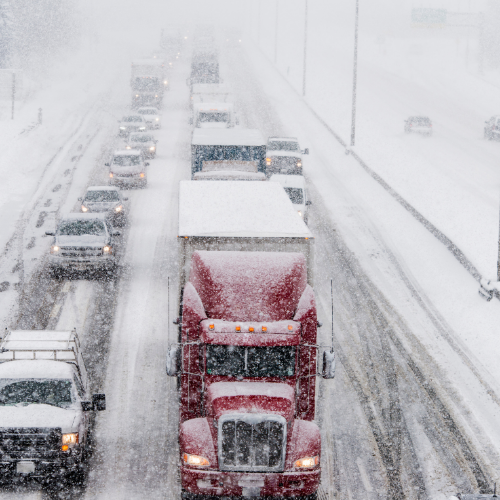
Winter presents the most challenging driving conditions, requiring significant adjustments to your driving style for safety and fuel efficiency.
Slow Down: This is the most important tip for winter driving. Reduce your speed significantly on snow-covered or icy roads. Increase Following Distance: Give yourself plenty of space between your vehicle and the one in front of you. Stopping distances can be significantly longer on slippery surfaces. Brake Gently: Avoid sudden braking, which can cause your vehicle to skid. Apply the brakes smoothly and gradually. If you have anti-lock brakes (ABS), let them do their job. Do not pump the brakes. Steer Smoothly: Avoid sudden steering movements, which can also cause your vehicle to skid. Steer gently and smoothly to maintain control. Use Winter Tires: If you live in an area with frequent snow or ice, consider using winter tires. They provide significantly better traction than all-season tires in cold and slippery conditions. Warm-Up Efficiently: While it's tempting to let your car idle for an extended period in cold weather, it's actually more fuel-efficient to start driving gently after a short warm-up (around 30 seconds). Modern engines warm up more quickly while driving, and prolonged idling wastes fuel. Avoid Cruise Control:Do not use cruise control on slippery surfaces. It can cause your vehicle to lose traction more easily.
How much gas can eco-driving really save?
Eco-driving techniques can improve your fuel economy by as much as 10-20% or even more, depending on your previous driving habits and the type of vehicle you drive. This can translate to significant savings over time.
What about EVs? Does seasonal driving affect electric car efficiency?
Yes, seasonal changes definitely impact the efficiency and range of electric vehicles (EVs), though in slightly different ways than gasoline cars.
Cold Weather Impact: Cold temperatures significantly reduce battery performance in EVs. The chemical reactions within the battery slow down, decreasing its ability to store and deliver energy. This can lead to a reduction in range of 20-40% in freezing conditions. Heating the cabin also consumes a significant amount of energy, further reducing range. Hot Weather Impact: Extreme heat can also affect battery performance, though usually to a lesser extent than cold weather. High temperatures can degrade the battery over time, potentially reducing its overall lifespan and capacity. Cooling the battery and the cabin also consumes energy, impacting range. Tire Pressure: Just like gasoline cars, tire pressure is affected by temperature changes. Underinflated tires increase rolling resistance, reducing efficiency. Driving Habits: Aggressive driving, such as rapid acceleration and hard braking, drains the battery quickly in both hot and cold weather. Regenerative Braking: Cold temperatures can also affect the effectiveness of regenerative braking, which helps to recapture energy and extend range. Preconditioning: Many EVs offer a preconditioning feature that allows you to warm or cool the cabin while the car is still plugged in. This can help to preserve battery range when you start driving. Battery Management System:EVs have sophisticated battery management systems that help to optimize performance and protect the battery from extreme temperatures.
By understanding these seasonal impacts and adjusting your driving habits accordingly, EV owners can maximize their vehicle's efficiency and range throughout the year.
By making these seasonal adjustments to your driving style, you'll not only save money on fuel but also contribute to a cleaner, more sustainable environment. Embracing eco-friendly driving habits is a win-win for your wallet and the planet. Start incorporating these tips into your daily routine and enjoy the benefits of smarter, more efficient driving all year round.
Posting Komentar untuk "How to Adjust Your Driving Style for Seasons"