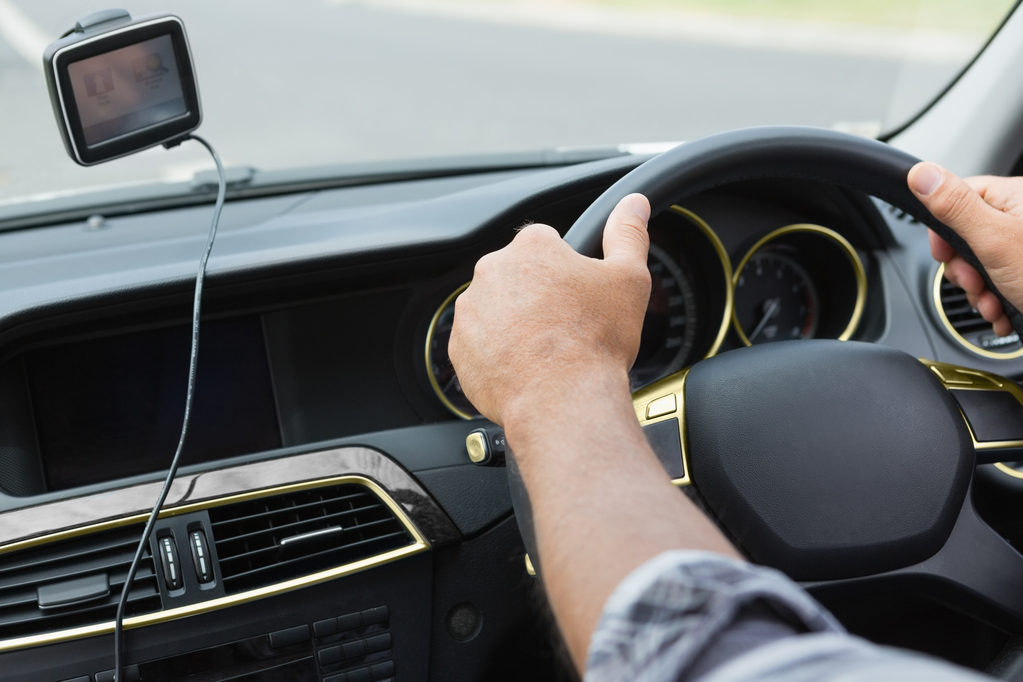
Stuck in bumper-to-bumper traffic? It might feel like you're just burning money and polluting the air while going nowhere. But what if you could turn that frustrating commute into an opportunity to save fuel and drive smarter?
Eco-driving in heavy traffic isn't just about reducing your carbon footprint; it’s also about putting more money back in your wallet. By adopting a few simple techniques, you can significantly improve your MPG, even in stop-and-go conditions, and contribute to a cleaner, healthier environment. Small changes add up, and they benefit everyone.
Let’s start with one simple adjustment you can make today: Anticipate traffic flow. Instead of reacting to the car directly in front of you, look several cars ahead. This gives you more time to adjust your speed gradually, avoiding sudden braking and acceleration, which are notorious fuel-guzzlers.
Mastering the Art of Slow and Steady
Heavy traffic is a unique beast, demanding a different approach than highway eco-driving. It's all about minimizing wasted energy and maximizing the efficiency of each movement. Think of it as a dance – a smooth, flowing rhythm rather than a series of jerky stops and starts.
The Gentle Touch: Acceleration and Braking
Aggressive acceleration and braking are the enemies of fuel efficiency. In heavy traffic, they're even worse, because you're constantly repeating them. The key is to accelerate gently and brake smoothly. Anticipate stops by lifting your foot off the accelerator early and allowing the car to coast. This not only saves fuel but also reduces wear and tear on your brakes. Imagine an egg is under your pedal.
The Power of Coasting: Let Momentum Be Your Friend
Coasting is your secret weapon in heavy traffic. Whenever possible, take your foot off the accelerator and let the car's momentum carry you forward. This uses virtually no fuel. Practice anticipating slowdowns and red lights so you can coast as much as possible. Remember, every second you spend coasting is a second you're not burning fuel.
Is Neutral a Good Idea for Coasting?
While it might seem like putting your car in neutral while coasting would save even more fuel, modern cars are actually more efficient when coasting in gear with your foot off the accelerator. This is because the engine's fuel injectors are often completely shut off during deceleration in gear, a feature known as "deceleration fuel cut-off." Coasting in neutral, on the other hand, requires the engine to idle, which consumes fuel. It's also generally safer to coast in gear, as you have more control over the vehicle.
Maintaining a Safe and Efficient Following Distance
Tailgating is dangerous and wasteful. It forces you to brake abruptly, wasting fuel and increasing your risk of an accident. Maintaining a safe following distance gives you more time to react to changes in traffic flow, allowing you to brake more gently and coast more often.
The Two-Second Rule (and Beyond)
In ideal conditions, the two-second rule is a good guideline for following distance: choose a stationary object, like a sign or a tree, and count two seconds after the car in front of you passes it. In heavy traffic, however, you might want to increase that to three or even four seconds, especially if the road is wet or visibility is poor. More space means more reaction time and smoother, more fuel-efficient driving.
Optimizing Your Vehicle for Eco-Driving
Your driving habits are the biggest factor in fuel efficiency, but your vehicle's condition also plays a role. Making sure your car is properly maintained can significantly improve your MPG, even in heavy traffic.
Tire Pressure: The Low-Hanging Fruit of Fuel Efficiency
Underinflated tires increase rolling resistance, which means your engine has to work harder to move the car. Check your tire pressure regularly (at least once a month) and inflate them to the recommended pressure listed on the sticker inside your driver's side door or in your owner's manual. Even a few PSI can make a difference in fuel economy.
Regular Maintenance: A Happy Car Is an Efficient Car
Keep your car properly maintained. This includes regular oil changes, air filter replacements, and tune-ups. A well-maintained engine runs more efficiently and consumes less fuel. Follow your manufacturer's recommended maintenance schedule.
How much gas can eco-driving really save?
The amount of gas you can save through eco-driving varies depending on your driving habits, the type of vehicle you drive, and the conditions you're driving in. However, studies have shown that eco-driving techniques can improve fuel economy by as much as 10-25%. In heavy traffic, where inefficient habits are amplified, the potential savings can be even greater. Even small changes in your MPG add up significantly over time.
Advanced Techniques for the Eco-Conscious Commuter
Once you've mastered the basics of gentle acceleration, smooth braking, and maintaining a safe following distance, you can explore some more advanced techniques to further improve your fuel efficiency in heavy traffic.
Cruise Control: Use Sparingly, if at All
While cruise control is great for maintaining a consistent speed on the highway, it's generally not recommended for heavy traffic. Cruise control systems are often slow to react to changes in traffic flow, leading to jerky acceleration and braking, which wastes fuel. In stop-and-go conditions, it's usually more efficient to control your speed manually.
Route Optimization: Avoid Congestion When Possible
Before you head out, check traffic conditions and consider alternative routes that might be less congested, even if they're slightly longer. A longer route with smoother traffic flow can often be more fuel-efficient than a shorter route with constant stop-and-go. Apps like Google Maps and Waze can help you find the best route in real-time. Sometimes, leaving a little earlier or later can make a big difference.
The Art of Lane Positioning
While not always possible or safe, subtle adjustments in lane position can sometimes improve your traffic flow. For example, if one lane consistently moves slightly faster than another, carefully merging into that lane (when safe to do so) can help you maintain a more consistent speed and avoid unnecessary braking. However, always prioritize safety and avoid aggressive lane changes.
Turn off your Engine When Stopped for Extended Periods
If you know that you are going to be at a standstill for more than a minute or two, consider turning off your engine if it does not have automatic stop/start functionality. Many modern cars have automatic engine start/stop systems that do this automatically at traffic lights, but if yours does not, manually turning the engine off and on can reduce emissions and fuel consumption.
What’s the ideal speed for maximum MPG?
While the ideal speed for maximum MPG varies depending on the vehicle, most cars achieve their best fuel economy at speeds between 45 and 55 mph. However, this is typically for steady-state highway driving. In heavy traffic, where speeds are much lower, the focus shifts from maintaining a specific speed to minimizing acceleration and braking. The goal is to maintain a smooth, consistent speed as much as possible, avoiding sudden changes in velocity.
Mindset Matters: Stay Calm and Focused
Eco-driving isn't just about techniques; it's also about mindset. Heavy traffic can be frustrating, but staying calm and focused is essential for safe and efficient driving. Aggression and impatience lead to rash decisions and fuel-wasting habits.
Practice Mindfulness: Be Present in the Moment
Focus on the present moment and avoid getting caught up in frustration or anger. Pay attention to the traffic flow and anticipate changes. A calm and focused driver is a more efficient driver.
Listen to Relaxing Music or a Podcast
Create a positive and relaxing driving environment. Listen to calming music or an engaging podcast to help reduce stress and keep you focused on the task at hand.
Remember the Benefits: Saving Money and Helping the Planet
Remind yourself of the benefits of eco-driving. You're not just saving money; you're also reducing your carbon footprint and contributing to a cleaner environment. Every little bit helps.
Driving in heavy traffic doesn't have to be a drain on your wallet or a burden on the environment. By adopting these eco-driving tips, you can transform your commute into an opportunity to save fuel, reduce emissions, and become a more responsible driver. Remember, consistency is key. The more you practice these techniques, the more natural they'll become, and the greater the benefits you'll see.
Posting Komentar untuk "Eco-Driving Tips for Heavy Traffic Conditions"