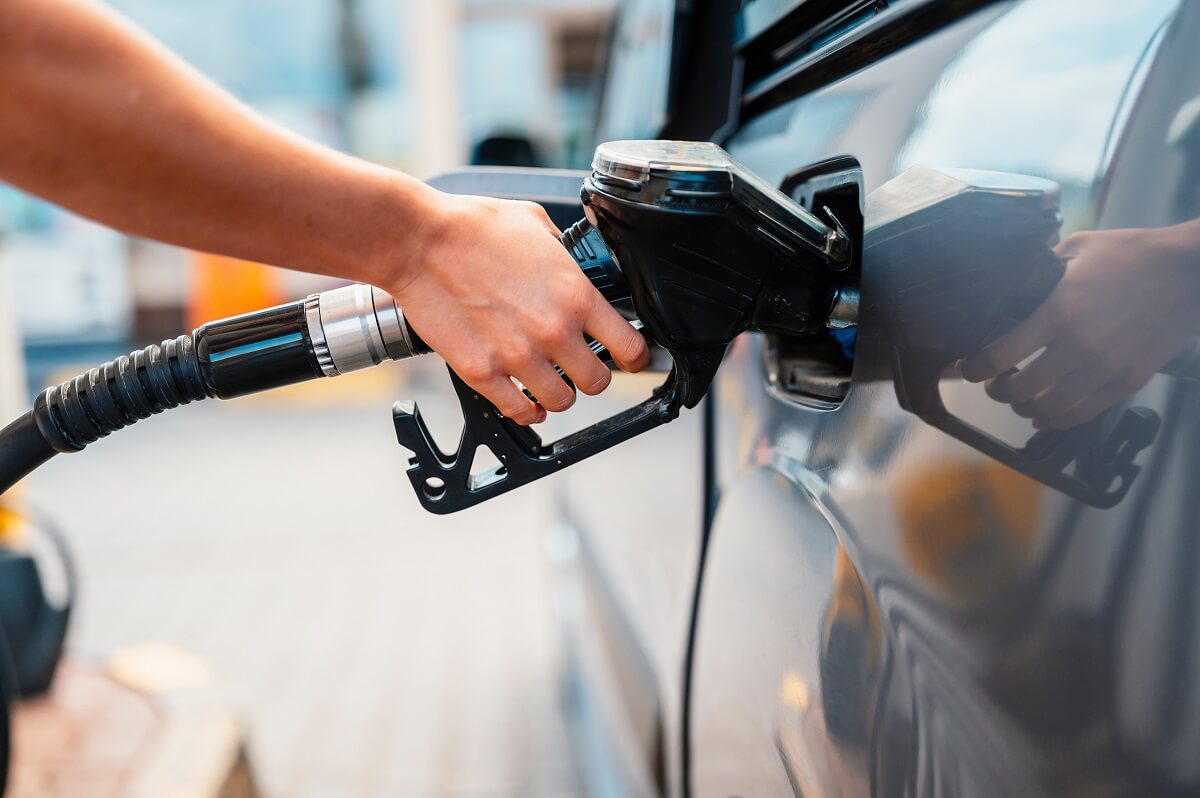
Imagine driving farther on every tank of gas, spending less at the pump, and leaving a smaller carbon footprint – all while behind the wheel of a rental car. Sounds good, right? You absolutely can achieve this!
Whether you're on a business trip or a leisurely vacation, the ability to maximize your fuel efficiency not only lightens your wallet but also contributes to a healthier planet. By adopting a few simple driving habits and being mindful of your rental car's specific features, you can significantly improve your MPG and make a positive impact, one mile at a time.
One of the easiest changes you can make is to ease up on the accelerator. Avoid jackrabbit starts and aggressive acceleration. Gently increasing your speed uses far less fuel than stomping on the gas pedal.
Planning Your Route Strategically
Before you even turn the key in the ignition, some of the best fuel-saving strategies involve smart planning. Taking a few minutes to map out your route can dramatically reduce unnecessary mileage and wasted fuel.
Consider using GPS navigation apps, even if you think you know the way. These apps not only guide you to your destination but also provide real-time traffic updates and suggest alternate routes to avoid congestion. Sitting in bumper-to-bumper traffic is a huge fuel drain, as idling consumes a surprising amount of gas. A slightly longer route with consistent speed can often be more fuel-efficient than a shorter route plagued by stop-and-go conditions.
Another crucial aspect of route planning is identifying and avoiding areas with steep hills or mountainous terrain, if possible. Driving uphill requires significantly more power and, consequently, more fuel. Opting for flatter routes, even if slightly longer, can contribute to noticeable fuel savings.
Finally, consolidate your trips whenever possible. Instead of making multiple short trips, combine errands into a single outing. A cold engine consumes more fuel initially, so minimizing the number of cold starts can make a real difference.
How much gas can idling really waste?
Idling for extended periods wastes a surprisingly significant amount of fuel. A typical car burns about a quarter to a half gallon of fuel per hour while idling. While it might not seem like much, those minutes add up quickly, especially in traffic jams or when waiting for someone. If you anticipate being stopped for more than a minute, it's generally more fuel-efficient to turn off the engine and restart it when you're ready to go.
Maintaining a Consistent Speed
Once you’re on the road, maintaining a steady speed is one of the most effective ways to boost your rental car's fuel economy. Avoid sudden accelerations and decelerations, and try to anticipate traffic flow to maintain a consistent pace.
Using cruise control (if your rental car is equipped with it) on highways can help you maintain a constant speed and avoid unintentional speeding. However, be mindful of using cruise control in hilly terrain, as it can sometimes cause the vehicle to downshift aggressively, negating some of the fuel-saving benefits.
Driving at higher speeds significantly reduces fuel efficiency. Most vehicles achieve their optimal fuel economy at speeds between 50 and 60 mph. Exceeding these speeds dramatically increases wind resistance and fuel consumption. Adhering to speed limits not only keeps you safe but also helps you save gas.
Consider using the car's eco-driving mode, if available. This mode typically adjusts the engine and transmission settings to prioritize fuel efficiency, often by limiting acceleration and optimizing gear shifts.
Tire Pressure and Vehicle Maintenance
While you might not be able to perform major maintenance on a rental car, checking the tire pressure is something you can and should do. Properly inflated tires reduce rolling resistance, which directly translates to improved fuel economy.
Look for the recommended tire pressure on the sticker inside the driver's side doorjamb or in the owner's manual (often found in the glove compartment). Use a tire pressure gauge to check the pressure of each tire and inflate them to the recommended level. Even a few PSI below the recommended pressure can negatively impact fuel efficiency.
Avoid carrying unnecessary weight in the rental car. Extra weight increases the amount of energy required to move the vehicle, reducing fuel economy. Remove any unnecessary items from the trunk or backseat to lighten the load.
Although you can't choose the engine oil in your rental, be aware that using the grade of motor oil recommended by the manufacturer can also improve fuel economy. The correct oil viscosity minimizes friction inside the engine, allowing it to run more efficiently.
What’s the ideal speed for maximum MPG?
While it varies slightly depending on the vehicle, most cars achieve their best fuel economy between 50 and 60 mph (80 and 96 km/h). As you increase your speed beyond this range, wind resistance becomes a significant factor, requiring more power and fuel to maintain that speed. Staying within this optimal speed range can significantly improve your gas mileage, especially on longer highway drives.
Reducing Air Conditioning Usage
Air conditioning can be a major fuel drain, especially in hot weather. Reducing your AC usage can significantly improve your rental car's fuel economy.
When possible, opt for natural ventilation by opening the windows. However, be aware that at higher speeds, open windows can increase aerodynamic drag, potentially negating some of the fuel savings. In city driving or at lower speeds, open windows are generally a more fuel-efficient alternative to air conditioning.
When you do need to use the AC, try to use it sparingly. Instead of setting the temperature to the coldest setting, try a slightly warmer temperature that still provides adequate cooling. Also, consider using the recirculate setting, which cools the air inside the car instead of constantly drawing in hot outside air.
Parking in shaded areas can also help reduce the need for air conditioning. A car that has been baking in the sun requires significantly more energy to cool down than one parked in the shade.
Do electric cars affect rental costs and availability?
Electric vehicles (EVs) are gradually becoming more common in rental fleets. While availability varies by location and rental company, EVs are becoming increasingly accessible. Renting an EV can offer substantial fuel savings (or, more accurately, energy savings), as you'll be avoiding gasoline altogether. However, be mindful of charging infrastructure and charging times, especially if you're planning a long road trip. Rental costs for EVs may be slightly higher than comparable gasoline-powered vehicles, but the savings on fuel can often offset the difference.
Driving Defensively and Anticipating Traffic
Adopting a defensive driving style can not only improve your safety but also boost your rental car's fuel economy. Anticipating traffic flow and maintaining a safe following distance allows you to avoid sudden braking and acceleration, which are fuel-intensive maneuvers.
Look ahead and be aware of what's happening around you. By anticipating potential hazards and changes in traffic conditions, you can adjust your speed and driving accordingly, minimizing the need for sudden stops and starts.
Avoid tailgating. Following too closely forces you to brake frequently and accelerate aggressively, both of which consume more fuel. Maintaining a safe following distance gives you more time to react to changes in traffic and allows you to maintain a smoother, more fuel-efficient driving style.
Be courteous to other drivers. Aggressive driving, such as speeding and weaving through traffic, not only increases the risk of accidents but also wastes fuel. A calm and patient driving style is not only safer but also more fuel-efficient.
The cumulative effect of these mindful driving habits can lead to substantial fuel savings over the course of your rental period. By making small adjustments to your driving style and being aware of your vehicle's fuel consumption, you can significantly reduce your environmental impact and keep more money in your pocket. Embrace these eco-friendly driving habits consistently, and you'll be amazed at the positive difference you can make.
Posting Komentar untuk "Fuel Efficiency Tips for Rental Car Drivers"