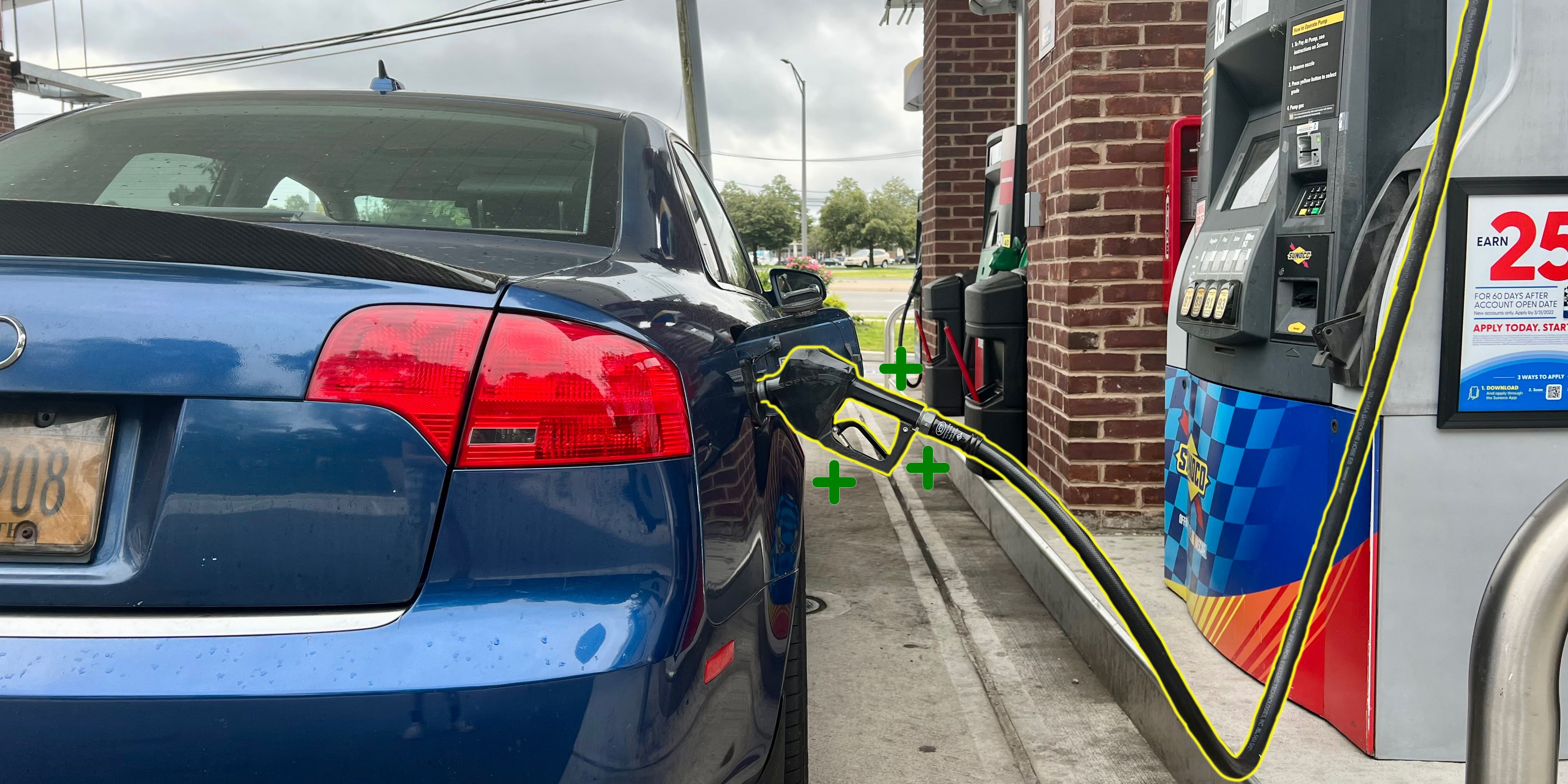
Imagine filling up your gas tank less often, having more money in your pocket, and knowing you're contributing to a cleaner environment. It's a win-win-win situation, and it's more achievable than you might think!
This guide focuses on simple, practical ways to maximize your car's fuel efficiency without needing to spend a fortune on fancy upgrades or complicated maintenance procedures. We'll explore easy-to-adopt driving habits and basic car care tips that can significantly improve your miles per gallon (MPG), reduce your carbon footprint while driving, and lighten the load on your wallet.
Let's start with something you can doright now*: Check your tire pressure. Underinflated tires create more rolling resistance, forcing your engine to work harder and burn more fuel. Inflate your tires to the recommended pressure listed on the sticker inside your driver's side door (not the maximum pressure on the tire itself!). You'll notice an immediate improvement in your car's responsiveness and, more importantly, your fuel economy.
Understanding MPG and Why It Matters
MPG, or miles per gallon, is the measure of how far your car can travel on one gallon of fuel. A higher MPG number means better fuel efficiency, translating to less money spent at the pump and a smaller environmental impact. Improving MPG isn't just about saving money; it's about responsible driving and contributing to a more sustainable future. Even small improvements in your driving habits can lead to significant long-term savings and a reduction in harmful emissions. It’s also a simple way to feel good about reducing your environmental impact.
Beyond the immediate benefits, consistently striving for higher MPG forces you to become a more aware and conscientious driver. You start paying closer attention to your vehicle's performance, anticipating traffic flow, and making smoother, more deliberate maneuvers. This not only saves fuel but also enhances your overall driving safety.
How much gas can eco-driving really save?
The savings from eco-friendly driving habits can be surprisingly substantial. Studies have shown that aggressive driving (speeding, rapid acceleration and braking) can lower your gas mileage by as much as 33% at highway speeds and 5% around town. Conversely, adopting smoother, more efficient driving techniques can improve your fuel economy by a similar margin. Over the course of a year, this could translate to hundreds of dollars saved and a significant reduction in your carbon footprint. The exact amount will vary depending on your vehicle, driving style, and the type of driving you do (city vs. highway), but the potential savings are real and worth pursuing.
Simple Driving Habits for Optimal Fuel Economy
Many of the most effective ways to boost your MPG involve adjusting your driving habits. These techniques require no special tools or mechanical knowledge, just a conscious effort to drive more smoothly and efficiently.
Smooth Acceleration and Braking: Avoid rapid acceleration and hard braking. Accelerate gradually and anticipate stops to allow for coasting. Think of an egg placed between your foot and the gas pedal or brake; try to accelerate and brake smoothly enough that you wouldn't crack the egg. Maintain a Consistent Speed: Cruise control is your friend on the highway. Maintaining a steady speed, rather than constantly speeding up and slowing down, significantly improves fuel efficiency. Anticipate Traffic: Pay attention to traffic flow and anticipate changes in speed. By looking ahead, you can avoid unnecessary braking and acceleration. Avoid Idling: Idling wastes fuel. If you're stopped for more than a minute, turn off your engine. Modern engines are designed to be restarted frequently without causing excessive wear and tear. Lighten Your Load:Extra weight in your car reduces fuel economy. Remove any unnecessary items from your trunk and backseat. Every pound counts!
These simple changes can add up to big savings over time. They also contribute to a more relaxed and enjoyable driving experience. By focusing on smooth and predictable driving, you'll not only save fuel but also reduce stress behind the wheel.
What’s the ideal speed for maximum MPG?
Generally, the ideal speed for maximum MPG is between 50 and 60 mph on the highway. Aerodynamic drag increases exponentially at higher speeds, meaning your engine has to work much harder to maintain that speed, burning significantly more fuel. While driving slightly above or below this range won't make a huge difference, consistently exceeding 70 or 75 mph can substantially reduce your fuel economy. It’s also important to remember that fuel efficiency varies depending on the specific vehicle and road conditions. Headwinds, hills, and tire condition can all affect fuel consumption.
Minimal Maintenance for Maximum MPG
While extensive maintenance can certainly improve fuel economy, there are a few simple checks and procedures that can make a noticeable difference with minimal effort.
Regular Tire Pressure Checks: We mentioned this earlier, but it's worth repeating. Check your tire pressure at least once a month and before any long trips. Properly inflated tires reduce rolling resistance and improve fuel economy. Air Filter Replacement: A clean air filter allows your engine to breathe freely, optimizing combustion and improving fuel efficiency. Replace your air filter according to your vehicle's maintenance schedule (usually every 12,000 to 15,000 miles). This is a simple and inexpensive DIY task. Use the Recommended Motor Oil: Your vehicle's manufacturer recommends a specific type of motor oil. Using the correct oil helps to reduce friction and improve engine efficiency. Check your owner's manual for the recommended oil viscosity. Keep Your Car Clean: While it might seem trivial, keeping your car clean, especially the exterior, can slightly improve fuel economy. A clean car has less aerodynamic drag, which can translate to a small but noticeable increase in MPG.
These minimal maintenance tasks are easy to perform and can have a significant impact on your car's fuel economy. They also help to extend the life of your vehicle and prevent more costly repairs down the road.
Does tire type affect MPG?
Yes, tire type can definitely impact your MPG. Low rolling resistance tires are specifically designed to minimize the energy lost due to friction as the tire rolls. These tires often feature a unique tread pattern and rubber compound that reduces rolling resistance, leading to improved fuel economy. While they may cost slightly more upfront, the long-term fuel savings can often offset the initial investment. Consult with a tire specialist to determine the best low rolling resistance tire for your vehicle and driving needs.
Planning Your Trips for Better Fuel Economy
Sometimes, the best way to save gas is to drive less! Careful trip planning can help you minimize unnecessary mileage and optimize your routes for better fuel economy.
Combine Errands: Group multiple errands into a single trip to avoid making numerous short trips. Short trips are particularly fuel-inefficient because your engine doesn't have a chance to warm up properly. Plan Your Route: Use a GPS or map to plan the most efficient route, avoiding congested areas and stop-and-go traffic. Consider Alternative Transportation:When possible, consider walking, biking, or using public transportation for short trips.
By planning your trips strategically, you can significantly reduce your overall mileage and fuel consumption. This not only saves you money but also reduces your carbon footprint and contributes to a more sustainable transportation system. Think about your daily routines and identify opportunities to consolidate trips or explore alternative modes of transportation. Even small changes can make a big difference over time.
Embrace the Journey of Eco-Friendly Driving
Saving gas and reducing your environmental impact doesn't require drastic measures. By incorporating these simple driving habits and minimal maintenance practices into your routine, you can gradually improve your MPG and contribute to a more sustainable future. It's a journey of continuous improvement, and every small step you take makes a difference. So, buckle up, drive smart, and enjoy the ride towards better fuel economy and a cleaner planet! Let’s commit to making these small changes consistently. Over time, they will add up to significant savings and a positive impact on the environment.
Posting Komentar untuk "How to Keep MPG High with Minimal Maintenance"