Imagine putting more money back in your wallet with every mile you drive, all while leaving a smaller footprint on our planet. Sounds good, right? It's more attainable than you think, and mastering cruise control is a surprisingly effective tool to help you get there.
This isn't just about saving a few bucks at the pump; it’s about adopting eco-friendly driving habits that benefit both your bank account and the environment. By understanding how to properly use cruise control, you’re actively participating in a movement towards smarter, more sustainable transportation. Plus, you'll be amazed at how much smoother and less stressful your drives become.
Before we dive in, here's a quick win: Check your tire pressure! Properly inflated tires can significantly improve your fuel economy. A simple thing that really makes a difference.
Unlocking Fuel Efficiency with Cruise Control
Cruise control, that seemingly simple button on your steering wheel, can be a powerful ally in your quest for improved MPG. The key is understandingwhenandhowto use it effectively. It’s not just for long, flat stretches of highway; there are strategies you can implement in various driving conditions to maximize its fuel-saving potential.
The primary benefit of cruise control is maintaining a consistent speed. Consistent speed translates directly to consistent engine output, which, in turn, reduces unnecessary fuel consumption. Think about it: every time you accelerate, especially rapidly, your engine has to work harder and burn more fuel. Cruise control minimizes these fluctuations, providing a smoother, more economical ride.
However, cruise control isn’t a magic bullet. It’s a tool, and like any tool, it’s only effective when used correctly. In certain situations, it can actuallydecreaseyour fuel efficiency. Let’s explore when to use cruise control – and when to avoid it.
When to Embrace (and Avoid) Cruise Control
Knowing when to engage and disengage cruise control is crucial for optimizing fuel economy. It's about understanding the road, the terrain, and the limitations of the system.
Ideal Scenarios for Cruise Control
Flat, Open Highways: This is where cruise control shines. With minimal elevation changes and consistent speed limits, it can maintain a steady pace and significantly reduce fuel consumption compared to constantly adjusting the throttle yourself. Light Traffic Conditions: When traffic is light and predictable, cruise control can help maintain a consistent speed without frequent braking or acceleration. Long Distance Driving:On long road trips, cruise control not only improves fuel efficiency but also reduces driver fatigue, making the journey safer and more comfortable.
Situations Where Cruise Control Should Be Avoided
Hilly or Mountainous Terrain: This is where cruise control can become a fuel guzzler. When climbing a hill, the system will often apply more throttle than necessary to maintain the set speed, leading to increased fuel consumption. Similarly, when descending, it might apply the brakes unnecessarily, negating any fuel savings. Heavy or Stop-and-Go Traffic: Cruise control is not designed for fluctuating traffic conditions. Constantly engaging and disengaging the system wastes more fuel than simply maintaining a moderate speed with your foot on the accelerator. Plus, it can be downright dangerous. Slippery Road Conditions (Rain, Snow, Ice): Cruise control can be dangerous on slippery surfaces. If your wheels lose traction, the system might try to compensate, potentially leading to a loss of control. Areas with Varying Speed Limits: If the speed limit changes frequently, constantly adjusting the cruise control can be more trouble than it's worth, and may even lead to unintentional speeding.
How much gas can eco-driving really save?
Eco-driving techniques, including strategic cruise control use, can improve your fuel economy by as much as 10-25%, according to various studies and reports. That can translate to hundreds of dollars saved per year!
Mastering the Art of Anticipation
One of the biggest secrets to maximizing fuel efficiency with (or without) cruise control is anticipation. Being aware of what's happening ahead of you on the road allows you to adjust your speed gradually and smoothly, minimizing the need for sudden acceleration or braking.
For example, if you see a traffic light turning yellow in the distance, instead of slamming on the brakes, try gently releasing the accelerator or easing off the cruise control. This allows your car to decelerate naturally, potentially avoiding a complete stop and saving fuel when you accelerate again.
Similarly, if you're approaching a hill, gradually reduce your speedbeforeyou reach the incline. This will prevent the cruise control from aggressively applying the throttle to maintain your set speed, and you can then gently increase the throttle manually as you start to climb.
Anticipation also means paying attention to other drivers and their behavior. By anticipating their movements, you can avoid sudden braking or acceleration, further contributing to a smoother and more fuel-efficient driving experience.
Fine-Tuning Your Cruise Control Settings
Most modern cars offer adjustable cruise control settings, such as following distance. Understanding how to use these settings can further enhance your fuel efficiency and safety.
Following Distance: Adjusting your following distance allows you to maintain a safe buffer zone between your car and the vehicle in front of you. A longer following distance gives you more time to react to changes in traffic flow, reducing the need for sudden braking.
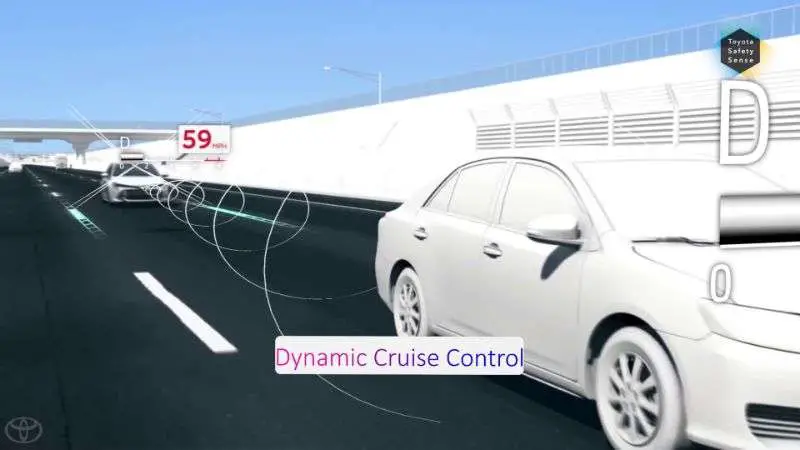
Adaptive Cruise Control (ACC): Many newer vehicles are equipped with adaptive cruise control, which automatically adjusts your speed to maintain a safe following distance from the vehicle ahead. While ACC can be convenient, it's important to remember that it's not a substitute for attentive driving. Pay attention to the road and be prepared to override the system if necessary, especially in challenging driving conditions. Even with ACC, anticipating traffic flow and adjusting your speed proactively can improve fuel efficiency.
Eco Mode: Some vehicles have an "Eco" mode that optimizes various systems, including the engine and transmission, for maximum fuel efficiency. When engaged, Eco mode may limit acceleration and adjust shift points, resulting in a more fuel-efficient driving experience. When combined with cruise control, Eco mode can further enhance your MPG.
What's the ideal speed for maximum MPG?
Generally, the ideal speed for maximum MPG is between 50-60 mph on flat roads. Aerodynamic drag increases significantly at higher speeds, so reducing your speed even slightly can make a noticeable difference in fuel consumption.
The Psychological Benefits of Cruise Control
Beyond the practical benefits of improved fuel economy, cruise control can also offer significant psychological advantages. By automating the task of maintaining a consistent speed, it can reduce driver fatigue and stress, particularly on long journeys.
This, in turn, can lead to a more relaxed and focused driving experience. When you're not constantly worrying about your speed, you can pay more attention to your surroundings and react more effectively to potential hazards.
However, it’s important to avoid becoming complacent while using cruise control. Maintain awareness of your surroundings, and don't rely solely on the system to control your speed. Stay alert and be prepared to take over if necessary. Over-reliance on any driving aid can lead to inattentiveness.
Beyond Cruise Control: Expanding Your Eco-Driving Arsenal
Mastering cruise control is just one piece of the puzzle when it comes to achieving maximum fuel efficiency. There are many other eco-driving techniques you can implement to further reduce your carbon footprint and save money at the pump.
Here are a few additional tips to consider: Gentle Acceleration and Braking: Avoid sudden acceleration and braking, as these actions consume significantly more fuel than gradual changes in speed. Maintain a Steady Speed: As we've discussed, maintaining a consistent speed is crucial for maximizing fuel economy. Avoid Idling: Idling wastes fuel and emits harmful pollutants. If you're stopped for more than a minute, turn off your engine. Reduce Weight: Carrying unnecessary weight in your vehicle reduces fuel efficiency. Remove any items you don't need. Proper Vehicle Maintenance: Regular maintenance, such as oil changes and tune-ups, can help your vehicle run more efficiently. Plan Your Routes: Planning your routes in advance can help you avoid traffic congestion and reduce your overall travel time, saving fuel in the process.
Is it better to use cruise control or drive manually for gas mileage?
The answer depends on the driving conditions. On flat, open highways with light traffic, cruise control generally provides better gas mileage. However, in hilly terrain or heavy traffic, driving manually and anticipating changes in speed can be more efficient.
The Road Ahead: Continuous Improvement
Mastering cruise control for maximum mileage is an ongoing process. It requires practice, patience, and a willingness to adapt your driving habits based on the specific conditions you encounter. Don't be discouraged if you don't see immediate results. The more you practice eco-driving techniques, the more natural they will become, and the greater the benefits you'll experience.
Remember, every small change you make can contribute to a larger positive impact. By adopting eco-friendly driving habits, you're not only saving money and reducing your environmental impact but also becoming a more skilled and responsible driver. So, get out there, experiment with different techniques, and discover the joy of driving smarter and more sustainably. Your wallet and the planet will thank you!
Posting Komentar untuk "Mastering Cruise Control for Maximum Mileage"