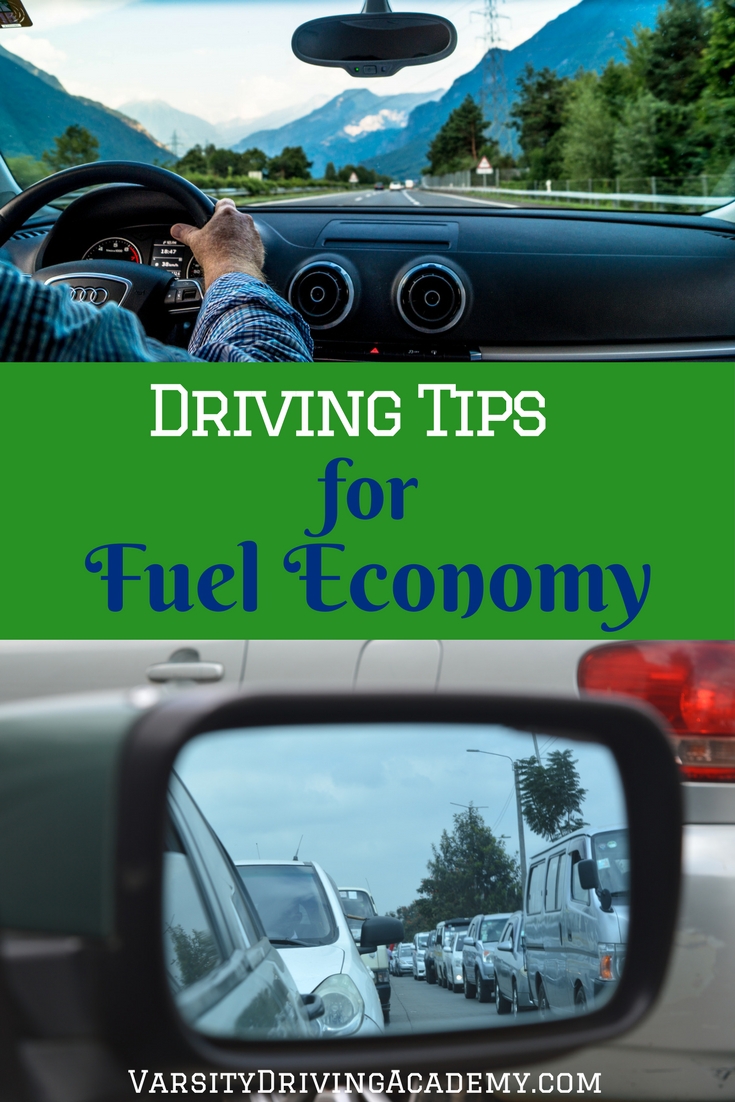
Imagine adding a few extra gallons to your tank every time you fill up, without paying a penny more. That's the potential of mastering fuel-efficient driving, especially when tackling challenging mountain roads.
Driving in mountainous terrain presents a unique set of challenges for fuel economy. The constant changes in elevation, coupled with winding roads, can significantly impact your MPG. But don't worry, with a few simple adjustments to your driving habits, you can conquer those climbs and descents without emptying your wallet or contributing unnecessarily to emissions. Mastering these techniques benefits not only your wallet but also the environment by reducing your vehicle's carbon footprint. Every drop of fuel saved contributes to cleaner air and a healthier planet.
Start today by checking your tire pressure before any mountain drive. Properly inflated tires reduce rolling resistance, which translates directly into fuel savings. It's a simple step that can make a noticeable difference, and it’s a great habit to build for all your drives, not just mountain trips.
Understanding the Mountain Driving Challenge
Driving in the mountains throws some curveballs at your fuel economy. Steep inclines require more power, meaning your engine works harder and burns more fuel. Conversely, downhill stretches can be an opportunity to conserve fuel, but only if you know how to take advantage of them. Add in the winding roads, which demand constant adjustments to speed and steering, and you've got a recipe for less-than-ideal MPG.
The key to improving fuel economy in the mountains is understanding how these factors affect your vehicle and adapting your driving style accordingly. It’s about workingwiththe terrain rather than fighting against it.
Essential Fuel Economy Tips for Mountain Roads
Here are some proven techniques to help you save fuel while enjoying the scenic beauty of mountain driving: Maintain a Steady Speed:Avoid aggressive acceleration and braking. Gradual speed changes are far more fuel-efficient than sudden bursts of power. Use cruise control on relatively flat stretches where possible, but be ready to disengage it when approaching steep inclines or descents where it might cause unnecessary gear changes.
Anticipate the Road Ahead: Look far ahead to anticipate upcoming hills, curves, and traffic conditions. This allows you to adjust your speed smoothly and avoid unnecessary braking or acceleration. Use the engine’s momentum to your advantage.
Use Engine Braking on Downhills: Instead of constantly riding the brakes on downhill stretches, downshift to a lower gear and let the engine control your speed. This not only saves fuel (many modern cars cut off fuel delivery completely during engine braking) but also reduces wear and tear on your brakes. Don’t over-rev the engine; choose a gear that keeps the RPMs within a safe and reasonable range.
Minimize Idling: Avoid unnecessary idling, especially when stopped on inclines. If you anticipate a long stop, turn off the engine. Restarting the engine consumes less fuel than idling for extended periods.
Lighten Your Load: Extra weight increases fuel consumption. Remove any unnecessary items from your vehicle before embarking on a mountain trip. Check your trunk, roof rack, and passenger area for anything that isn't essential.
Plan Your Route: Choose the most direct and efficient route, avoiding unnecessary detours or roads with excessive elevation changes if possible. Use a GPS navigation system to find the best route and avoid getting lost.
Keep Your Vehicle Well-Maintained: Regular maintenance is crucial for optimal fuel economy. Ensure your engine is properly tuned, your air filter is clean, and your tires are properly inflated. A well-maintained vehicle runs more efficiently and burns less fuel.
Understanding Your Vehicle's Capabilities
Different vehicles handle mountain driving differently. A small, lightweight car might struggle on steep inclines, while a larger SUV might feel more stable but consume more fuel overall. Knowing your vehicle's capabilities and limitations is essential for safe and fuel-efficient mountain driving.
Read your owner's manual to understand your vehicle's recommended driving practices for mountainous terrain. Pay attention to any specific instructions regarding gear selection, towing, or other relevant factors.
How much gas can eco-driving really save?
Eco-driving techniques can realistically improve your fuel economy by 10-20%, sometimes even more depending on your driving habits and the terrain. Over the course of a long road trip or regular mountain commutes, this can translate into significant savings.
What's the ideal speed for maximum MPG on highways?
Generally, the ideal speed for maximizing MPG on highways is between 50 and 60 mph. Aerodynamic drag increases exponentially at higher speeds, which significantly reduces fuel economy. However, it's important to maintain a safe speed that is appropriate for the road conditions and traffic flow.
Should I use premium fuel for mountain driving?
Unless your vehicle's manufacturer specifically recommends or requires premium fuel, it's generally not necessary for mountain driving. Premium fuel has a higher octane rating, which is designed for high-performance engines. Using it in a vehicle that doesn't require it won't improve fuel economy or performance.
Gear Selection and Engine Braking: Key to Fuel Savings
Mastering gear selection and engine braking are essential for fuel-efficient mountain driving. When climbing steep inclines, choose a lower gear that allows the engine to maintain a steady RPM without straining. Avoid lugging the engine, which can damage it and reduce fuel economy.
On downhill stretches, use engine braking to control your speed and save fuel. Downshift to a lower gear and let the engine slow the vehicle down. This reduces the need for constant braking and can significantly improve fuel economy. Many modern cars also cut off fuel delivery completely during engine braking, further enhancing fuel savings.
Planning Ahead: Your Mountain Driving Strategy
Before embarking on a mountain driving adventure, take some time to plan your route and prepare your vehicle. Check the weather forecast and road conditions. Ensure your tires are properly inflated and your vehicle is in good working order. Pack essential supplies, such as water, snacks, and a first-aid kit.
Planning ahead can help you avoid unexpected delays and ensure a safe and fuel-efficient journey. Consider using a fuel consumption app to track your MPG and identify areas where you can improve your driving habits.
The Long-Term Benefits of Eco-Friendly Mountain Driving
Adopting eco-friendly driving habits in the mountains isn't just about saving money; it's about protecting the environment and preserving the natural beauty of these areas. By reducing your vehicle's carbon footprint, you're contributing to cleaner air and a healthier planet.
These eco-driving habits are beneficial for all your drives, not just those in the mountains. By making fuel-efficient driving a consistent part of your routine, you'll save money, reduce your environmental impact, and become a more responsible driver overall.
Remember, every small change you make can add up to a significant difference. By embracing these fuel-efficient driving tips, you can enjoy the beauty of mountain driving without sacrificing your wallet or the environment. Let's make a conscious effort to drive smarter, save fuel, and protect our planet for future generations.
Posting Komentar untuk "Fuel Economy Tips for Mountain Driving"