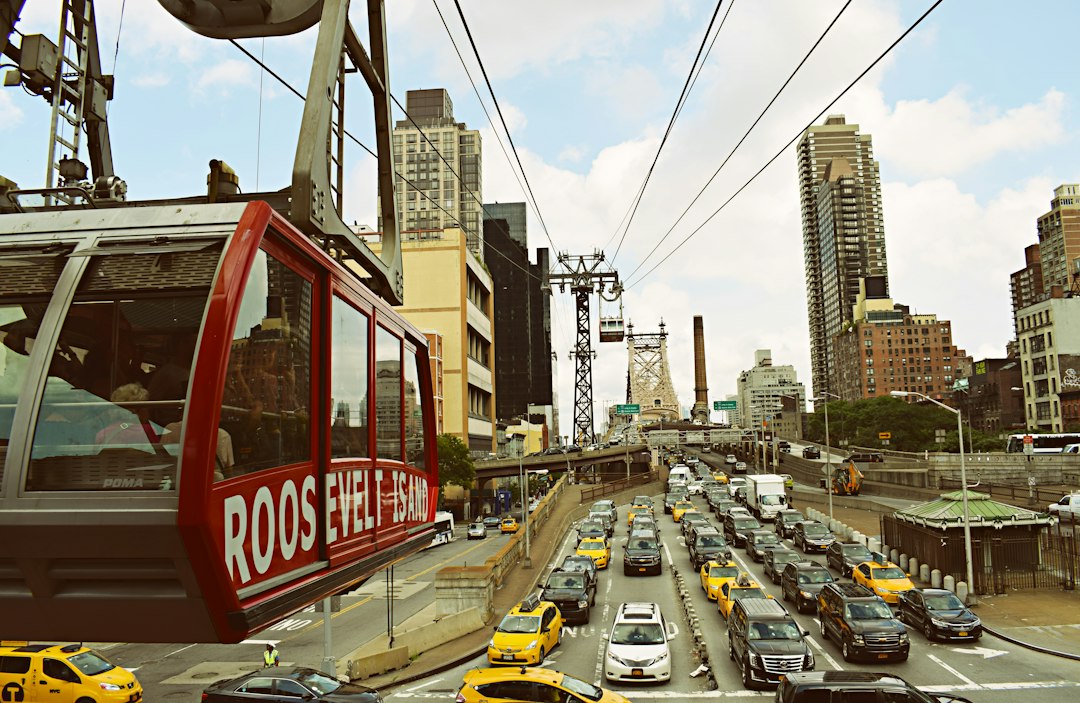
Imagine filling up your gas tank less often, spending that extra money on things you actually enjoy, and knowing you’re making a real difference for the environment – all just by changing how you drive. Sound too good to be true? It’s not! Eco-driving is a set of techniques that can help you do all of that, and it's a skill that every new driver should learn.
Learning and applying eco-driving isn't just about saving money at the pump, although that's a pretty significant benefit. It's also about minimizing your vehicle's impact on the environment. By mastering these fuel-efficient driving techniques, you’ll not only improve your gas mileage but also reduce your carbon footprint, contributing to cleaner air and a healthier planet. It's a win-win!
Let’s start with something simple you can do today: check your tire pressure! Underinflated tires create more rolling resistance, forcing your engine to work harder and burn more fuel. Check your vehicle's doorjamb or owner’s manual for the recommended pressure, and make sure your tires are properly inflated before you hit the road. Even a small difference can add up over time.
Mastering the Art of Smooth Acceleration
One of the biggest culprits when it comes to fuel waste is aggressive acceleration. Think about it: slamming on the gas pedal forces your engine to work incredibly hard, guzzling fuel in the process. Instead of trying to win a race against the car next to you at a stoplight, focus on accelerating smoothly and gradually. Imagine you have a cup of coffee on your dashboard – you want to avoid spilling it! By easing into the accelerator, you allow your engine to operate more efficiently, significantly improving your MPG.
How much gas can eco-driving really save?
The amount of gas you can save through eco-driving techniques varies depending on your driving habits, the type of vehicle you drive, and road conditions. However, studies have shown that implementing these skills can improve fuel economy by as much as 10-25%! That translates to real money saved over the course of a year, not to mention the positive impact on the environment.
The Power of Anticipation and Coasting
Eco-driving is about more than just what you do with your feet; it's about how you anticipate traffic flow. Pay attention to the road ahead. Are you approaching a red light? Instead of maintaining your speed and then braking hard at the last minute, take your foot off the accelerator and coast. Coasting allows your car to slow down naturally, reducing your need for braking and conserving momentum, which in turn saves fuel.
This also applies to downhill stretches. Instead of constantly applying the brakes to maintain a consistent speed, allow your car to coast downhill. Modern engines often cut off fuel supply completely during coasting, making it a very efficient technique.
Maintaining a Steady Speed
Consistent speed is your friend when it comes to fuel economy. Avoid the urge to constantly speed up and slow down, as this wastes a significant amount of fuel. Use cruise control on highways to maintain a steady speed and avoid unnecessary acceleration. Of course, always be aware of changing traffic conditions and adjust your speed accordingly, but aim for a smooth, consistent pace whenever possible.
Think of it like this: every time you accelerate, you’re essentially “spending” fuel to gain speed. Then, when you brake, you’re throwing that “spent” fuel away by converting the kinetic energy into heat. By maintaining a steady speed, you minimize the need for both acceleration and braking, making your driving much more fuel-efficient.
What’s the ideal speed for maximum MPG?
While it varies from car to car, generally, the most fuel-efficient speed is around 50-55 mph on the highway. Aerodynamic drag increases significantly at higher speeds, forcing your engine to work harder to maintain momentum. While it might be tempting to drive faster, sticking to this optimal speed range can make a noticeable difference in your fuel economy.
The Importance of Regular Vehicle Maintenance
Taking care of your vehicle is crucial for maintaining good fuel economy. A poorly maintained car will run less efficiently, wasting fuel and increasing emissions.
Here are a few key maintenance items to keep in mind: Regular oil changes: Clean oil lubricates your engine properly, reducing friction and improving efficiency. Follow your vehicle manufacturer's recommendations for oil change intervals. Air filter replacement: A clogged air filter restricts airflow to your engine, reducing power and increasing fuel consumption. Replace your air filter regularly. Spark plug maintenance: Worn or damaged spark plugs can cause misfires, leading to reduced fuel economy and increased emissions. Replace your spark plugs as recommended by your vehicle manufacturer. Tire inflation: As mentioned earlier, keep your tires properly inflated. Low tire pressure increases rolling resistance and reduces fuel economy.
Reducing Drag and Weight
Anything that increases drag or weight on your vehicle will negatively impact fuel economy.
Remove unnecessary weight: Clear out any unnecessary items from your car's trunk or interior. Extra weight forces your engine to work harder, burning more fuel. Avoid roof racks and cargo carriers when not in use: Roof racks and cargo carriers create significant aerodynamic drag, especially at highway speeds. Remove them when you're not using them to improve fuel economy. Minimize air conditioning use:Air conditioning can put a significant strain on your engine, reducing fuel economy. Use it sparingly, and consider opening the windows when the weather is mild.
Does using air conditioning significantly reduce fuel economy?
Yes, using air conditioning can definitely reduce fuel economy, especially at lower speeds. It forces the engine to work harder to power the compressor. However, at higher speeds, opening the windows can actually create more drag than using the AC, so it's a bit of a trade-off. A good rule of thumb is to use the AC on the highway and consider opening the windows around town.
Planning Your Trips Efficiently
Efficient trip planning can save you time, money, and fuel.
Combine errands: Instead of making multiple short trips, try to combine your errands into one longer trip. This reduces the amount of time your engine spends warming up, which is when it's least efficient. Avoid peak traffic times: Driving in stop-and-go traffic wastes a lot of fuel. Try to avoid driving during rush hour whenever possible. Use navigation apps to find the most efficient route:Navigation apps can help you find the shortest and least congested route to your destination, saving you time and fuel.
Turning Off Your Engine When Stopped
Idling wastes fuel, plain and simple. If you're stopped for more than a minute or two, turn off your engine. Modern cars are designed to restart quickly and efficiently, and the amount of fuel you save by turning off the engine will quickly add up. This is especially important at long traffic lights or in drive-thru lines.
Some newer vehicles come equipped with automatic start/stop technology, which automatically shuts off the engine when the car is stopped and restarts it when you release the brake pedal. If your car has this feature, make sure it's enabled!
Adopting eco-friendly driving habits is an ongoing process, not a one-time fix. The more you practice these techniques, the more natural they will become, and the more benefits you will reap. Small changes to your driving habits can lead to significant improvements in fuel economy and a meaningful reduction in your environmental impact. Start with one or two tips, and gradually incorporate more into your daily routine. You'll be surprised at how quickly you become an eco-driving expert and how much money you save along the way. The planet – and your wallet – will thank you.
Posting Komentar untuk "Eco-Driving Skills Every New Driver Should Learn"