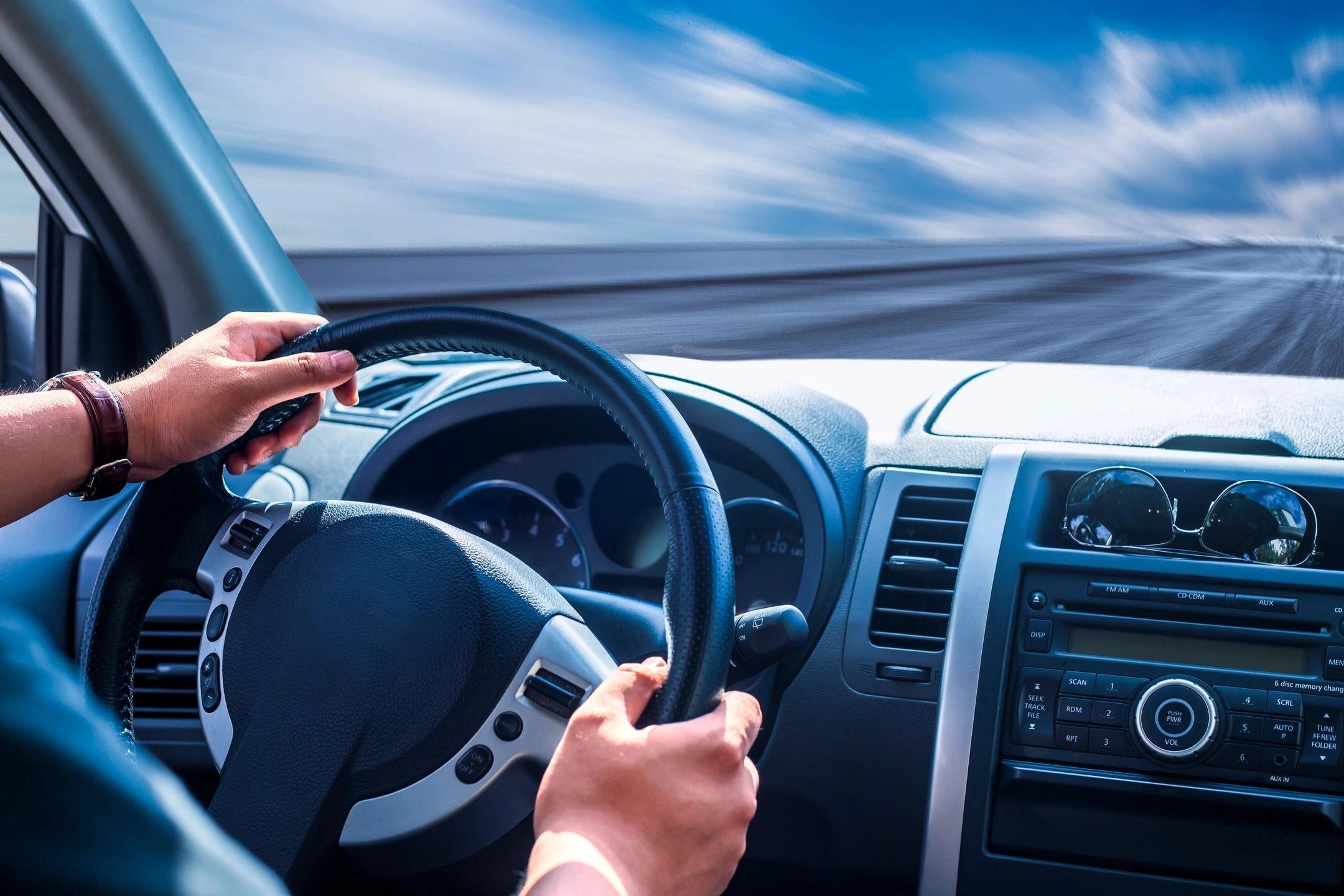
Imagine filling your gas tank less often and having more money in your pocket. It’s not just a dream! By mastering the art of driving at the right speed, you can significantly improve your fuel efficiency and contribute to a greener planet at the same time.
Understanding and implementing optimal driving speeds is a cornerstone of eco-driving. It allows you to maximize your miles per gallon (MPG), shrink your vehicle’s carbon footprint, and ultimately save money. It's a win-win-win situation!
Here's a simple starting point: next time you're on the highway, try easing off the gas pedal slightly and maintaining a steady speed. Even a small reduction in speed can make a noticeable difference in your fuel consumption.
The Speed Sweet Spot: Finding Your Car's Efficiency Zone
Every vehicle has a speed range where it operates most efficiently. This "sweet spot" typically falls between 45 and 55 mph for most cars. Aerodynamic drag increases exponentially as speed rises, meaning that pushing your car beyond this range requires significantly more power and fuel. Understanding this relationship is crucial to improving MPG.
Driving significantly above this range means your engine has to work much harder to overcome wind resistance, leading to a drastic reduction in fuel economy. Conversely, drivingtooslowly can also be inefficient, particularly if it requires constantly accelerating and decelerating. Finding that balance is key. This requires a bit of driver awareness and a willingness to adjust to the road conditions and traffic flow.
What role does tire pressure play in fuel efficiency?
Properly inflated tires are essential for optimal fuel economy. Underinflated tires increase rolling resistance, forcing your engine to work harder and consume more fuel. Check your tire pressure regularly (at least once a month) and inflate them to the manufacturer's recommended pressure, which can usually be found on a sticker inside your driver's side door or in your owner's manual.
The Science Behind Speed and Fuel Consumption
The principles are fairly straightforward: more speed equals more air resistance, which then requires more engine power. This increased power requirement translates directly into higher fuel consumption. The relationship is not linear, meaning that for every mile per hour you increase your speed, the fuel consumption goes up by a proportionally larger amount.
Think of it like this: when you double your speed, the wind resistance quadruples. That means your engine has to work four times as hard just to maintain that speed. This is why even small changes in speed can have a significant impact on fuel economy. Modern cars are becoming increasingly sophisticated, but even the best engineering can't defy the laws of physics.
How does cruise control affect fuel economy?
Cruise control can be a double-edged sword. On flat, open roads, it can help maintain a consistent speed and improve fuel economy. However, in hilly terrain, cruise control may actuallydecreasefuel economy, as it tends to maintain speed by aggressively accelerating up hills, rather than allowing the car to naturally lose some speed and then gradually regain it. In these situations, it's often more fuel-efficient to manually control your speed.
Practical Tips for Eco-Friendly Speed Management
Improving fuel economy by managing your speed doesn't require drastically changing your driving habits; it's about adopting a more mindful and efficient approach. Here are some practical tips you can implement immediately: Anticipate traffic flow: Look ahead and anticipate changes in traffic speed. Avoid sudden acceleration and braking by maintaining a safe following distance and adjusting your speed gradually. Maintain a steady speed: Use cruise control on flat highways to maintain a consistent speed. But be mindful of hilly areas where it may be less efficient. Avoid aggressive acceleration: Accelerate smoothly and gradually. Rapid acceleration consumes significantly more fuel. Decelerate gradually: Take your foot off the accelerator early when approaching stop signs or red lights. This allows your car to coast and saves fuel. Be aware of speed limits: Observe speed limits. Exceeding the speed limit not only increases your risk of accidents but also significantly reduces your fuel economy. Consider using a fuel consumption app: Some apps can help you track your fuel consumption and identify areas where you can improve your driving habits.
Beyond Speed: Other Factors Influencing Fuel Economy
While speed plays a significant role, it's not the only factor influencing fuel economy. Several other factors can impact how efficiently your car uses fuel.
Vehicle maintenance: Regular maintenance, such as oil changes, air filter replacements, and spark plug replacements, can significantly improve fuel economy. Driving habits: Aggressive driving habits, such as rapid acceleration and hard braking, can reduce fuel economy by as much as 30%. Vehicle weight: Carrying unnecessary weight in your vehicle reduces fuel economy. Remove any items you don't need. Aerodynamics: Reduce aerodynamic drag by removing roof racks and cargo carriers when they're not in use. Idling:Avoid unnecessary idling. Idling consumes fuel without moving the vehicle.
How much does idling really affect fuel economy?
Idling can significantly reduce fuel economy, especially over extended periods. Modern engines are designed to be efficient when running, but idling wastes fuel without covering any distance. A good rule of thumb is that if you're going to be stopped for more than 10 seconds, it's generally more fuel-efficient to turn off your engine.
Modern Car Technologies for Fuel Efficiency
Modern vehicles are equipped with a variety of technologies designed to improve fuel efficiency, many of which work in conjunction with efficient speed management.
Eco Mode: Many cars have an "Eco" mode that optimizes engine performance and transmission settings for maximum fuel economy. Engaging this mode can limit throttle response and shift points, encouraging a more gradual and fuel-efficient driving style. Start-Stop Systems: These systems automatically shut off the engine when the vehicle comes to a complete stop and restart it when the driver releases the brake pedal. This can significantly reduce fuel consumption in stop-and-go traffic. Aerodynamic Design: Modern vehicles are often designed with aerodynamic features that reduce wind resistance and improve fuel economy. Fuel Injection Systems: Advanced fuel injection systems deliver precise amounts of fuel to the engine, optimizing combustion and reducing fuel waste. Hybrid and Electric Vehicles:While not directly related to speed management, hybrid and electric vehicles offer significantly better fuel economy than traditional gasoline-powered vehicles.
Adopting eco-driving habits is about making a conscious choice to drive more efficiently and sustainably. It's about being mindful of your speed, anticipating traffic conditions, and maintaining your vehicle properly. By implementing these strategies, you can save money on fuel, reduce your vehicle's carbon footprint, and contribute to a cleaner, healthier environment.
Every small change you make contributes to a larger impact. Embrace these fuel-saving habits, and you'll not only benefit your wallet but also help create a more sustainable future for everyone.
Posting Komentar untuk "Driving at the Right Speed for Peak Fuel Economy"